
A Great Wall trip becomes a different planning exercise once your group reaches six people. You are no longer only choosing a wall section. You are coordinating pickup points, different walking speeds, ticket details, toilet and food breaks, and the return time for people who may not all want the same amount of hiking.
For friends, extended families, or a small work team, the best plan is usually the one that keeps the group together at the right moments while still giving people room to walk at their own pace on the wall. A private van is not automatically required, but a purely DIY plan can become fragile when every person arrives from a different Beijing hotel.
Start with the group, not the vehicle
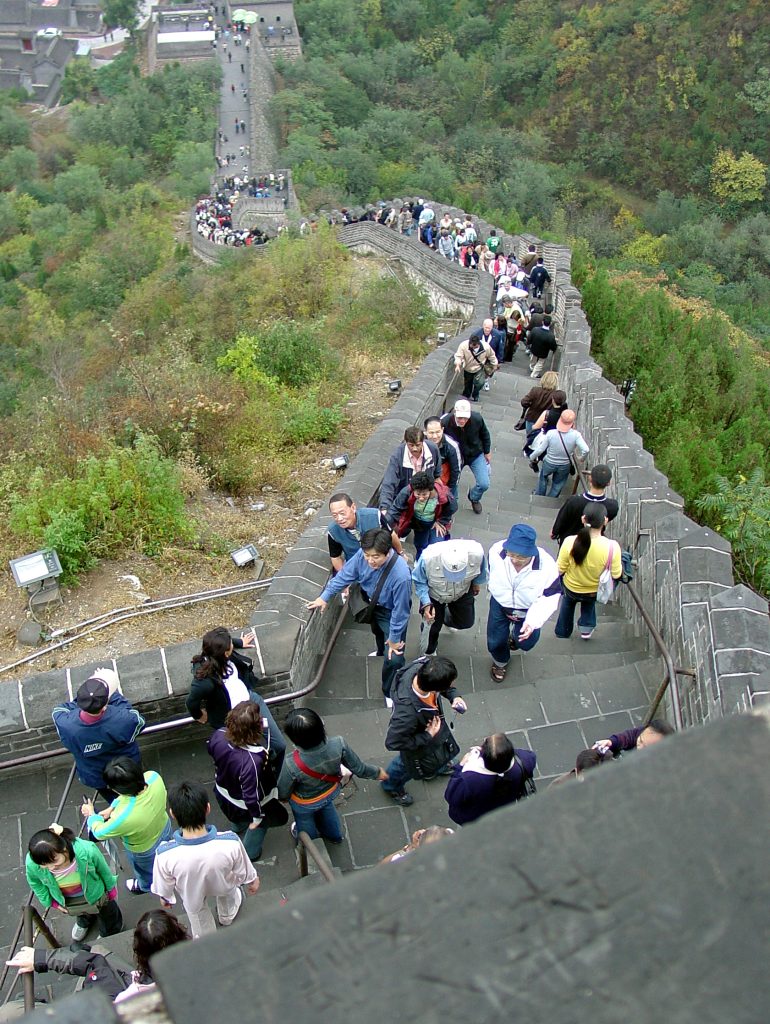
Before comparing a shared tour with a private vehicle, decide what the group needs from the day. Are there young children, older relatives, people with limited comfort on steep steps, photographers, or travelers who only want a short walk? The answer affects the wall section, lift choices, walking time, and how much flexibility the transport needs to provide.
For a first mixed-age group, Badaling or Mutianyu are usually the simplest places to begin the conversation. They offer developed visitor infrastructure, but the right choice still depends on whether your group values scenic walking, a straightforward route, or easier transport from Beijing.
When a private van is worth it
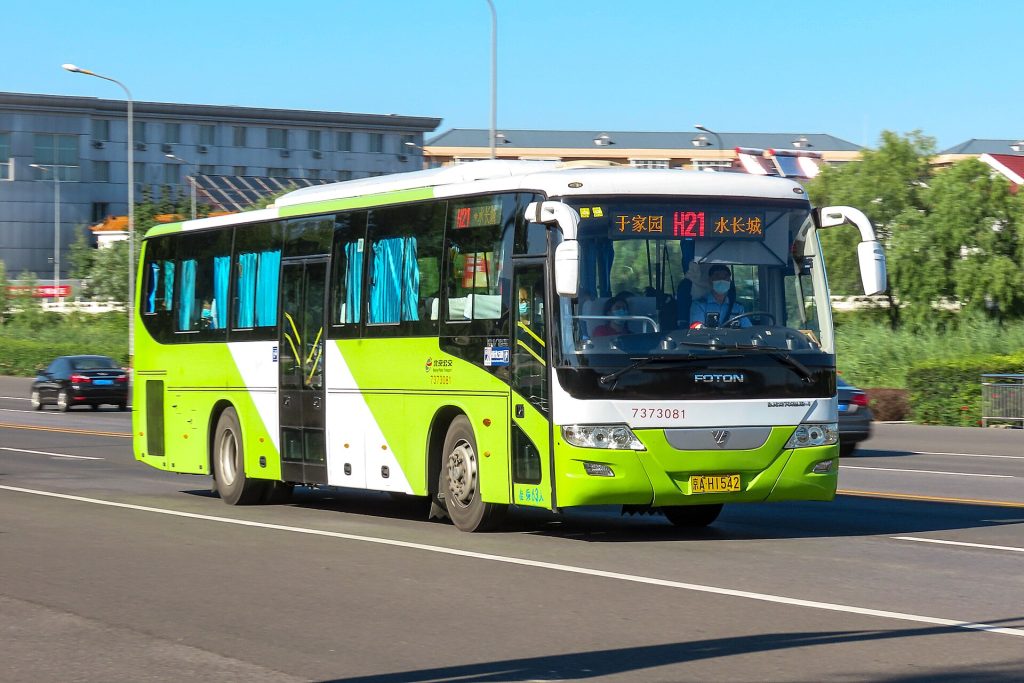
A private van or larger vehicle is most useful when the group needs one pickup, one return point, and flexibility around the day. It can be a strong fit when members are staying near different hotels, carrying child gear, arriving after a business event, or travelling with people who may need to shorten the walk. The value is not simply privacy. It is keeping the logistics under one agreed plan.
Ask for the vehicle capacity with day bags included, the pickup sequence, the named meeting point after the wall visit, waiting arrangements, and whether the group can split into two walking paces without losing the return. The wider private transfer, group tour, and DIY comparison explains the general choices; groups need to test those choices against coordination rather than price alone.

When a shared group tour is the better value
A shared tour can work well when everyone is happy with the same pickup time, the same wall section, and a fixed length of stay. It is often simpler for a group of adults who want transport handled but do not need to control every stop. It is less suitable if several people need different hotel pickups, one traveler has a tight evening plan, or the group wants to stop for a long meal after the wall.
Before booking, confirm whether all members can use the same meeting point, how long the group will have on the wall, how the operator handles a late arrival, and whether shopping stops are part of the day. Read the no-shopping tour checklist if your group wants a direct visit without unnecessary detours.
DIY: possible, but only with a simple group
DIY is most realistic when the group is comfortable navigating public transport, staying near the same area, and able to agree on a firm return time. It becomes less attractive with six or more people because a missed train, a split taxi, or a delayed lunch affects everyone. Public transport is useful, but it is not automatically the easiest group solution.
If you take this route, name one organizer, share all addresses and booking confirmations before departure, and choose an internal meeting point on the wall as well as the final return stop. The self-guided planning guide covers the independent-travel foundations that a group organizer should understand.
Build a walking plan that does not split the group
Do not expect everyone to walk the same distance or at the same speed. Agree on a minimum shared experience, then allow an optional extension for the faster walkers. For example, the group can travel up together, spend a defined time at a central watchtower, and let one smaller group continue only if the return meeting point and deadline are clear.
This is especially important with children and grandparents. Use our family day-plan guide and senior visitor guide when your group includes different mobility levels.
Tickets, lunch, and the return plan
- Collect every traveler's booking details before purchase and confirm the correct wall section.
- Choose one lead contact who holds the transport information and has mobile data.
- Set a lunch and toilet plan before people spread out on the wall.
- Agree on the exact return meeting point, including the vehicle description or transport stop.
- Leave a time buffer for the final descent, lift queues, traffic, and hotel drop-offs.
Reliable phone access is especially important when a group separates temporarily, so share the basics from our China internet guide for visitors before the day begins.
Final recommendation
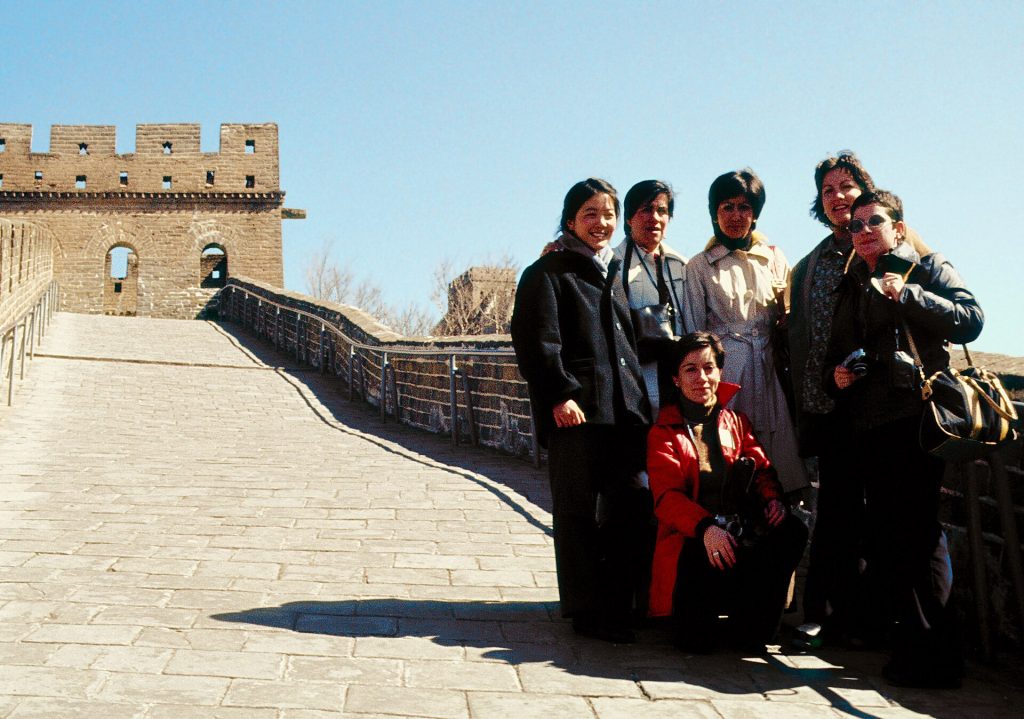
For six or more people, choose the plan that reduces coordination risk. A private van is usually worth considering when the group needs flexible pickups, mixed walking paces, or a direct return. A shared tour is good value when everyone accepts a common schedule. DIY works when the group is small in spirit as well as in numbers: organized, mobile, and willing to follow one simple plan. The best group day is the one that lets everyone remember the wall rather than the meeting-point confusion.