
Yes, you can visit the Great Wall and the Ming Tombs in one day from Beijing, but choose one Wall section and one main tomb-area stop. Badaling or Juyongguan makes a more coherent combination than Mutianyu for this particular itinerary. Trying to add both Wall sections, several tombs, and the Sacred Way usually turns a history day into a sequence of short stops.
This guide is for travelers who want to compare Ming defensive architecture with imperial burial architecture, not simply tick off two famous names. For a first Wall visit where scenery and unhurried walking matter most, we still favor Mutianyu on its own. The combined day is a different choice: it trades some Wall time for a second historical setting.
Quick planning snapshot
- Best fit: history-minded travelers with a full sightseeing day and no fixed evening departure.
- Wall choice: Badaling for the familiar mountain-wall experience; Juyongguan for a fortified pass and a shorter, deliberately limited climb.
- Afternoon choice: Changling for buildings and courtyards, Dingling for its excavated underground palace, or the Sacred Way for an outdoor sculpture walk.
- Time budget: reserve roughly 9-11 hours door to door as a planning allowance, not a promised journey time.
- Transport: a car with the complete route agreed in advance is the simplest arrangement; a shared tour needs closer itinerary checking.
- Important: the Ming Tombs are a dispersed area, not thirteen chambers inside one museum.
Badaling or Juyongguan: which pairing makes sense?
Choose Badaling if the Wall is your main attraction
Badaling suits a traveler who wants a substantial Wall visit followed by one historical stop. Protect the morning rather than filling it with additional pickups. Decide your walking direction and any lift arrangement before arrival; a scenic-area ticket and a particular uphill or downhill ride are not automatically the same purchase.
The main risk is overcommitting to a long climb and reaching the tomb area late. Make a turnaround agreement before starting, including time to descend, reach the correct exit, and find the driver. Our Badaling north-versus-south route guide helps you choose a walk rather than attempting everything.
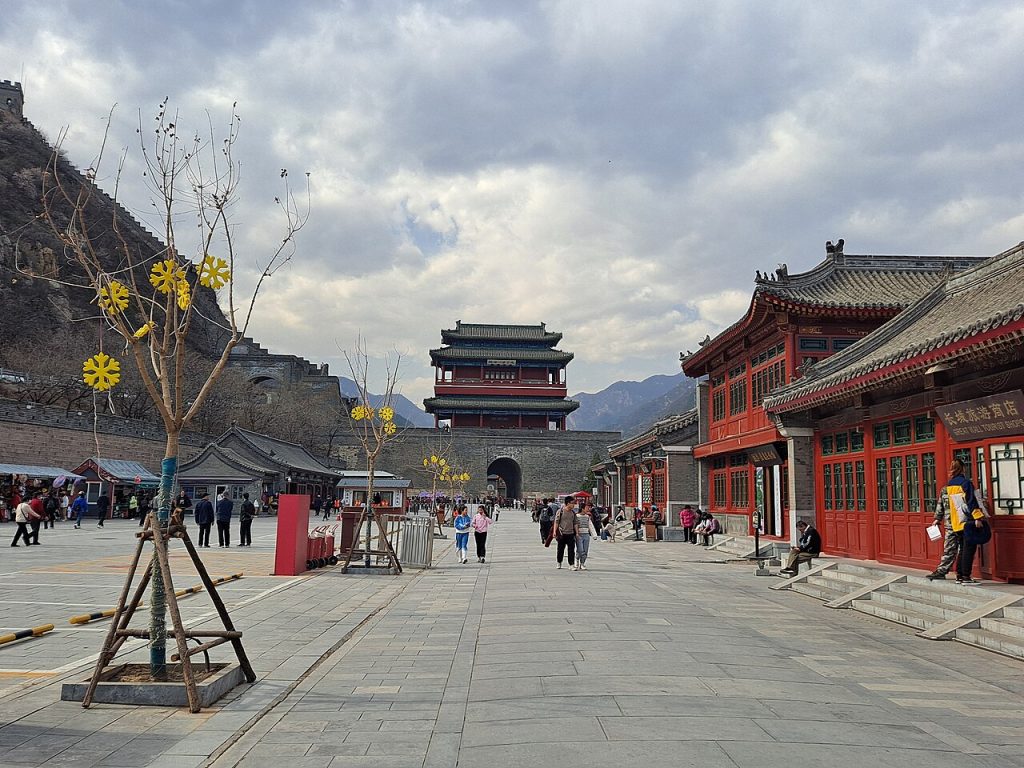
Choose Juyongguan if the pass itself interests you
Juyongguan and the Ming Tombs are both in Changping, making them a sensible pairing to investigate. However, geographic proximity does not make the Wall physically easy. Steep steps can quickly consume energy you expected to save for the afternoon. A modest out-and-back climb, with time for the buildings around the pass, is more realistic than treating a full circuit as compulsory.
Ask what the proposed visit actually includes: a ground-level look at the pass, a short climb, or an extended hike. These are different experiences. See our Juyongguan visit-planning guide before agreeing to a timetable.
Why not automatically combine Mutianyu and the Ming Tombs?
Mutianyu lies in Huairou rather than on the same northwest Beijing corridor. A car makes the combination possible, but it adds cross-district travel to an already full day. If Mutianyu is your non-negotiable first choice, prioritize it and treat the tombs as a separate outing. Compare the alternatives in our Great Wall one-day planning guide.
Changling, Dingling, or the Sacred Way?
The phrase “Ming Tombs included” is not precise enough to book against. Ask for the named attraction in writing. Changling, Dingling, and the Sacred Way offer different experiences, with travel between them rather than one continuous indoor visit.
Changling: choose buildings, courtyards, and imperial context
Changling is the tomb of the Yongle Emperor, Zhu Di, and Empress Xu. Its appeal for this itinerary is the above-ground setting: ceremonial architecture, courts, and the sense of scale. It is a better match for someone interested in how imperial space was arranged than for someone specifically expecting to enter an underground burial chamber.
Allow about 60-90 minutes as an initial sightseeing budget, extending it if you want detailed interpretation. This is our planning estimate, not an official recommended duration. Steps and thresholds still matter; an above-ground visit is not a guarantee of step-free access.
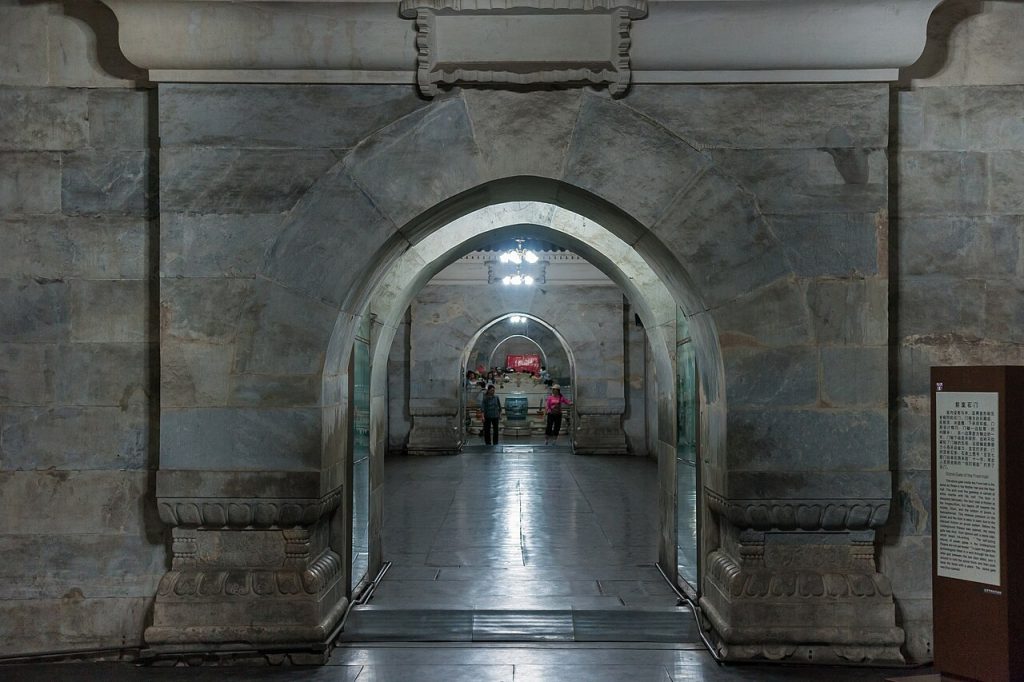
Dingling: choose the underground-palace experience
Dingling is associated with the Wanli Emperor and is known for its excavated underground palace. This is the choice to discuss if “going inside a tomb” is what drew you to the trip. Do not expect every Ming tomb to offer the same access, or assume every display object is an original artifact.
Budget roughly 90-120 minutes, including the grounds and descent, as a flexible starting point. After a strenuous morning on the Wall, consider whether your group still wants additional stairs. Check the current visitor route and any access restrictions before buying tickets, particularly for travelers with limited mobility.
The Sacred Way: choose an outdoor sculpture walk
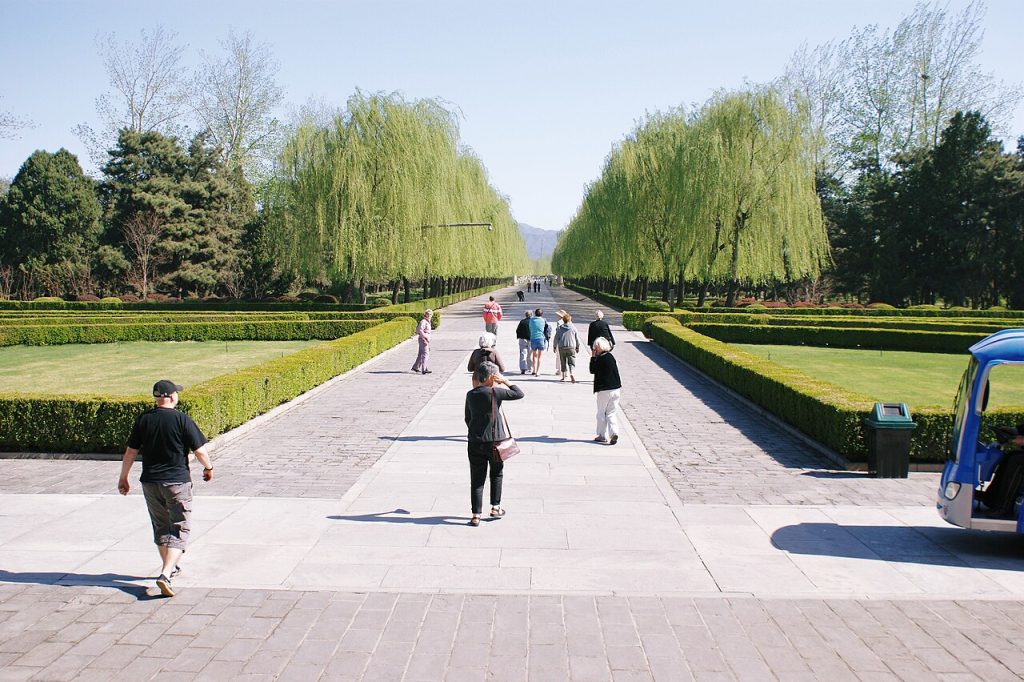
The Sacred Way, also called the Spirit Way, is a ceremonial approach lined with stone figures. It is not the same as visiting Changling or Dingling. It can provide a gentler change of pace after the Wall, but it remains an outdoor walk, exposed to the day’s heat, rain, or cold.
Start with a 45-75 minute allowance and confirm where the walk begins and where your vehicle will meet you afterward. Do not assume an end-to-end walk returns to the same parking place. For a shorter day, choose the Sacred Way instead of a tomb visit; add both only if actual arrival time, energy, and admission deadlines leave room.
A realistic day plan without a stopwatch itinerary
- Early hotel departure: set the pickup around the day’s confirmed Wall opening and current traffic estimate, not a generic year-round departure time. Bring breakfast or eat before leaving.
- Morning Wall visit: protect about 2-3 hours for entrance procedures, your chosen walk, and returning to the vehicle. This is an adjustable block, not a challenge to cover a fixed tower count.
- Lunch and transfer: take a proper break before the second attraction. Allow the driver to update the route estimate; parking and the walk from the vehicle also use time.
- One main afternoon stop: visit Changling, Dingling, or the Sacred Way. Make the selection before departure, with an agreed substitute if the site is unavailable.
- Return to Beijing: keep the evening flexible. Do not build the day around a tight flight, train, or prepaid performance connection.
A useful rule is to remove an optional attraction before shortening both core visits. If lunch runs late, skip the extra Sacred Way stop rather than rushing a paid tomb visit just before last admission. Conversely, if tired legs make Dingling unattractive, ask about a suitable alternative rather than pushing through because it appeared on an early draft of the plan.
Private car, shared tour, or public transport?
A private car is useful here because the day has several separate pickup points. Confirm the included service hours, exact attractions, waiting arrangements, parking, tolls, overtime, and whether entrance or lift tickets are extra. A driver is not automatically an English-speaking historical guide. Our driver-only versus guide comparison explains that distinction.
A shared tour can work if its named Wall section and tomb stop match your priorities. Ask about time inside each attraction, additional hotel pickups, compulsory meals, and shopping stops. A low headline price does not reveal how much of the day is spent sightseeing. Check our no-shopping tour checklist before comparing offers.
Public transport is better treated as a route-planning project, not assumed to be one simple connection. Reaching Badaling by train does not solve the onward trip to a chosen tomb and the final return. Check each leg independently, including the last local connection. If transfers leave little visiting time, split the attractions across two days.
Booking and comfort checks before you go
- Use exact destination names: Badaling (八达岭), Juyongguan (居庸关), Changling (长陵), Dingling (定陵), and Sacred Way (神路).
- Confirm opening, last admission, and any separate booking requirements for every included attraction. Do not assume one ticket covers the Wall and all tomb-area sites.
- Carry the original identity document used for reservations and check how foreign-passport bookings are handled.
- Pack water, comfortable grippy shoes, weather protection, and a small snack. Plan lunch explicitly rather than relying on an unverified restaurant stop.
- Agree meeting locations using a map pin and a recognizable entrance name. Save the driver’s contact and screenshots before leaving the hotel.
- For children, older travelers, or anyone with knee problems, choose the walking effort first and fit the attraction list around it.
What to send when requesting a quote
Give the operator your travel date, hotel location, group size, mobility needs, preferred Wall section, and one named tomb-area attraction. Ask for an itemized quote with the planned sightseeing blocks and latest return estimate. This makes offers comparable and prevents “Ming Tombs” from quietly meaning a different stop from the one you imagined.
Bottom line: Badaling or Juyongguan plus one carefully chosen Ming Tombs stop can make a rewarding history day. If your real priority is a long, relaxed Wall walk, keep the Wall as the day’s only major destination.
Sources and current-access checks
Historical and location context was checked against the Beijing government overview of the Ming Tombs, Visit Beijing’s Ming Tombs introduction, Dingling underground-palace introduction, and official Juyongguan visitor information. Older source pages are used for background, not as guarantees of today’s prices, transport, or opening hours. Reconfirm operating details through the attractions’ current official channels. All time allowances above are editorial planning estimates.
Featured photo: Daniel Case / Wikimedia Commons, CC BY-SA 3.0. Resized; archive thumbnails may be cropped. These real photographs illustrate the locations, not current access, crowd levels, or weather.