
At Badaling, the first decision is not whether to visit. It is which direction to walk once you are on the Wall. The North Route and South Route offer different versions of the same famous section: one puts the classic “Hero Slope” goal and the best-known towers in front of you; the other gives you a longer, less obvious line with strong views back toward the northern Wall.
For a first-time visitor, North is usually the intuitive choice. For someone who has more time, wants a different walking rhythm, or does not need the best-known photo point, South can be the smarter plan. The important part is to choose before you start climbing, rather than discovering halfway through that your group has very different expectations.
Quick choice: North Route or South Route?
- Choose the North Route if this is your first Badaling visit, you want the classic achievement-oriented walk, and you are comfortable with a busy route and sustained uphill sections.
- Choose the South Route if you have more walking time, prefer a route that feels less like a single landmark chase, or want views that look back toward the main northern section.
- Choose a short out-and-back walk if children, older relatives, heat, wind, queues, or your return train make a full tower target unrealistic.
- Do not choose by crowd promises alone. Visitor flow can change quickly with weather, holidays, school breaks, and the operating plan for that day.
What the two Badaling routes mean in practice
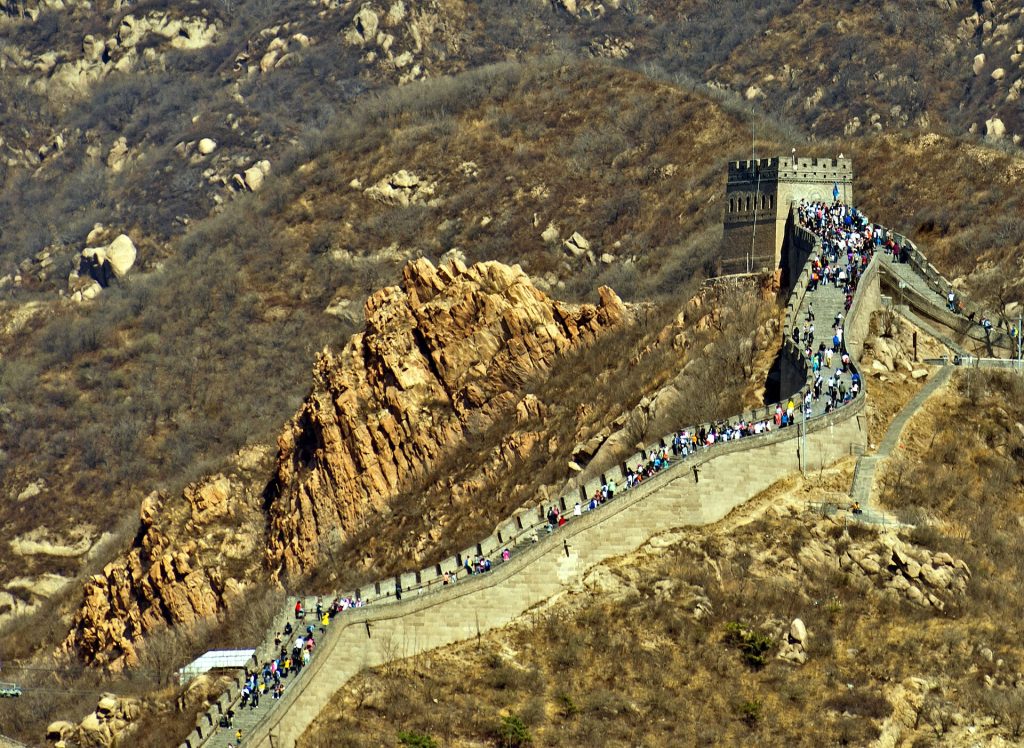
Badaling is not one flat promenade with two arbitrary signs. The north and south directions lead through different sequences of towers, slopes, views, and stopping decisions. Beijing’s official hiking guide describes the northern line through North Towers 1 to 8 as the route toward Haohan Po, often translated as the “Hero Slope.” The same guide describes the southern walk toward South Tower 12 as a viewpoint across the northern Badaling section.
That does not mean every visitor must reach a named tower. It means the routes have different personalities. North rewards people who want the signature Badaling experience and are prepared to earn it. South rewards travelers who enjoy the wall as a longer landscape walk, not only as a checklist item.
Why most first-time visitors start north
The North Route contains the names and landmarks many people associate with Badaling. If you have seen the famous “One who has never been to the Great Wall is not a true hero” theme, this is the direction behind that expectation. It is a sensible choice when you have one main objective: reach a memorable viewpoint, take the classic photos, then turn back before the descent becomes tiring.
The tradeoff is obvious once the route is busy. North can feel more concentrated because many visitors are moving toward a similar tower target. Do not turn that into a reason to avoid it automatically. For a first visit, a lively, well-marked route may feel more reassuring than a quieter line. Start earlier, set a clear turnaround point, and let the group’s pace decide how far you go.
When the South Route is the better decision
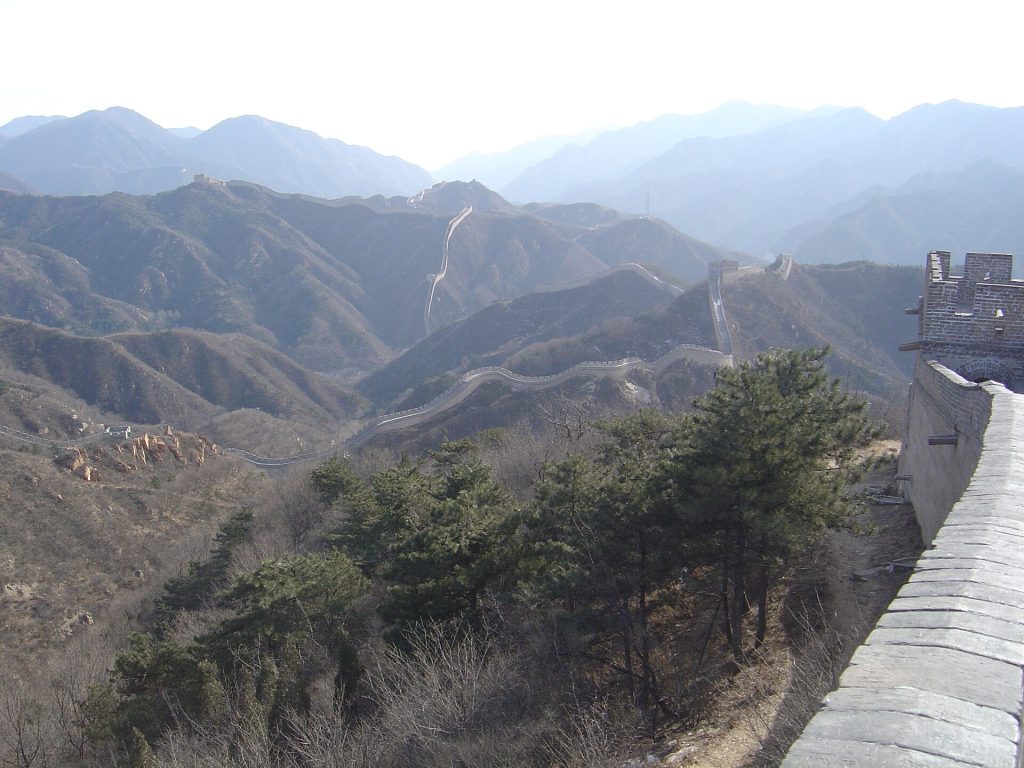
South is worth choosing when you want Badaling itself rather than the most photographed tower number. The route has a broader sense of continuity, and the view from the south can look back over the main northern Wall. That makes it particularly good for visitors who have already done a famous Great Wall route, photographers who want a different composition, or groups with enough time to walk without treating every minute as a transfer deadline.
It is not a “secret quiet route.” Conditions change, and the opened section can change with maintenance, weather, or visitor-management rules. An official Beijing update has described a South Tower 7 to South Tower 16 extension that may require a reservation arrangement. Treat that as an example of why you should check the current scenic-area notice, not as an evergreen route promise.
How to plan a route without overcommitting
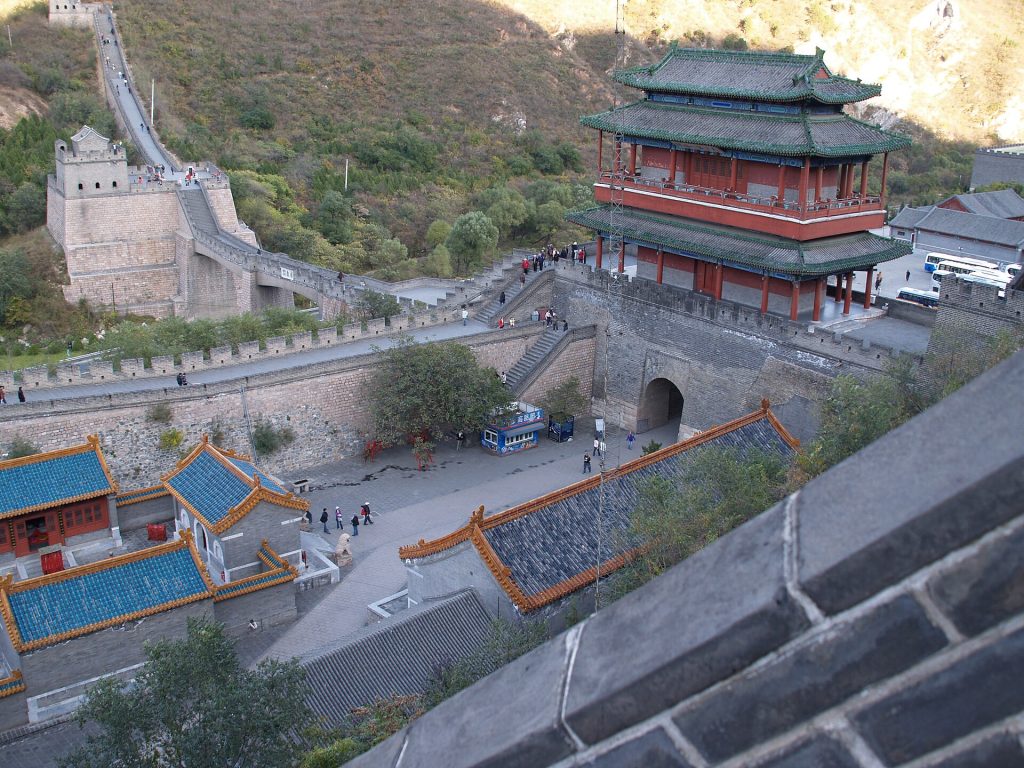
Set your route in three layers. First, decide your preferred direction: North for the iconic first visit, South for a more varied walk. Second, agree on a turn-back rule before the first long stair section. Third, keep a shorter version of the plan ready if the group arrives late, the weather changes, or the entrance area is more crowded than expected.
This matters most for mixed groups. One person may be eager to reach a specific tower while another is recovering from jet lag or traveling with a child. A short out-and-back section can still be a successful Badaling visit. For more pace and mobility planning, read our guides to visiting the Great Wall with seniors and choosing a beginner-friendly hiking route.
Cable cars, transport, and the route choice
Do not book transport as though it automatically decides your walking direction. Cable-car access, entry arrangements, shuttle circulation, and queue patterns may shape what is practical on the day, but they do not remove the need to choose a route appropriate for your group. Confirm the current operating plan before you leave Beijing, especially during a holiday or poor-weather period.
For independent travelers, Badaling remains the section most naturally paired with rail planning. Our Badaling train guide explains the broader journey. If you are on a fixed family, hotel, or airport schedule, a driver can make the return more predictable, but it is not necessary merely because you picked North or South.
Tickets and current route status
Tickets, entry procedures, special routes, cable-car operations, and last-entry rules are operational details, not permanent facts. Check the official Badaling scenic-area site and the current Beijing visitor information before committing to a departure time. International visitors should also make sure the booking method accepts their passport and payment setup.
For the wider booking decision, use our Great Wall tickets and entry guide. It will help you separate a confirmed ticket from an assumed route, cable-car slot, or transport plan.
A practical route plan for first-time visitors
- Book or confirm entry through the official channel, then check the day’s route and weather notices.
- Start with North if the classic Badaling goal matters most to your group.
- Turn around while everyone still has energy for the descent and the exit route.
- Choose South instead when you have a longer, more relaxed walking window and would value the wider perspective over the famous tower target.
- Keep your train, driver, or hotel return time visible on your phone. A Wall visit is better when the route has a calm ending.
Badaling North vs South: the bottom line
North is the default for the first Badaling visit because it answers the “I want to do the famous part” question directly. South is the better alternative when you have more time and want a less formulaic walk with a strong view back across the Wall. Neither route needs to be completed to count. Pick one direction, set a realistic turning point, and leave enough time to enjoy the descent instead of racing through it.
Still deciding whether Badaling is right for your trip? Compare it with the restored, scenic alternative in our Badaling versus Mutianyu guide.