
A no-shopping Great Wall tour from Beijing is simple in theory: you pay for the transfer, guide, tickets, and route you actually want, without being taken to jade shops, tea rooms, souvenir factories, or other commission-based stops. In practice, travelers often discover the difference only after comparing a very cheap group tour with a clear private tour quote.
This guide explains how to identify unwanted shopping stops before you book, what a real no-shopping itinerary should include, and which questions to ask so your Great Wall day is spent on the wall instead of in sales rooms.

What does “no shopping” actually mean?
No shopping should mean no compulsory retail stops, no factory visits presented as cultural experiences, no tea ceremony with sales pressure, no jade showroom, and no detour that exists mainly because the tour operator earns a commission. It does not mean you cannot buy water, lunch, snacks, cable car tickets, or souvenirs by choice.
The key difference is control. In a no-shopping tour, optional purchases are your decision. In a shopping-stop tour, the itinerary is built partly around taking visitors to places where they are expected to spend money.
Why some Great Wall tours look unusually cheap
Some low headline prices are possible because the real cost is shifted away from the booking page. A shared coach may include many travelers, fixed pickup points, limited wall time, and one or more sales stops. The operator may receive commission from shops, restaurants, or add-on activities, which can lower the advertised price but reduce the quality of your day.
That does not mean every inexpensive tour is bad. Public transport and simple shared transfers can be legitimate budget choices. The problem is when the listing does not clearly say how much time is on the wall, where the bus stops, whether shopping is required, or whether the guide has incentives that conflict with your schedule.
If you are comparing different service models, read our guide to private transfer, group tour, and DIY travel. It helps separate real cost savings from convenience tradeoffs.
Warning signs before you book
| Warning sign | Why it matters | What to ask |
|---|---|---|
| The price is far lower than similar tours | The operator may depend on commission stops or rushed scheduling | Is this tour 100 percent no-shopping, with no factory, jade, tea, or souvenir stops? |
| The itinerary says “cultural visit” without naming the place | Some sales stops are described in soft language | What is the exact name and purpose of every stop? |
| Wall time is not specified | You may spend more time in transport and shops than on the Great Wall | How many hours are actually on the wall? |
| Lunch is included but the restaurant is fixed | Some tours use restaurants connected to sales stops | Is lunch optional, and can we choose our own meal? |
| Pickup is vague or very early for a short route | Extra stops may be hidden inside the day | What is the direct driving route from pickup to the wall? |
What a clean no-shopping itinerary should look like
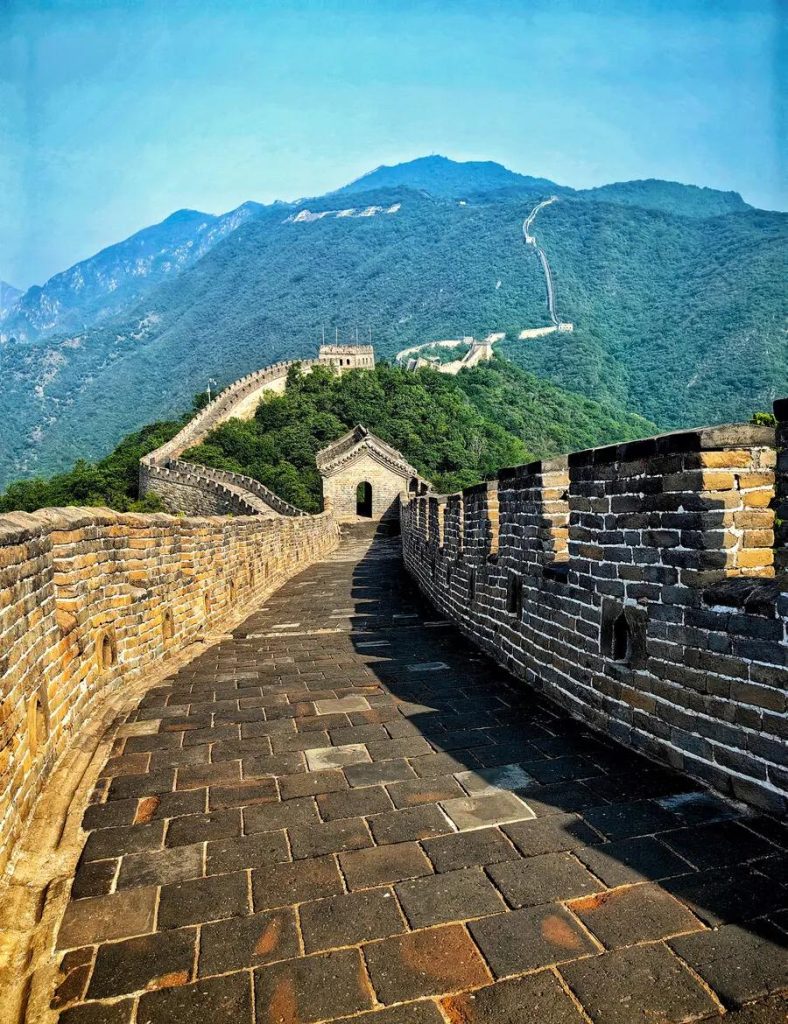
A clean itinerary should be easy to understand. For a standard Mutianyu day, it might include hotel pickup, direct drive to the scenic area, ticket assistance, optional cable car or chairlift, free time on the wall, optional lunch, and direct return to Beijing. For Badaling, it may include a direct train or car route and clear return timing.
The more direct the plan, the easier it is to judge whether the price is fair. Our Great Wall one-day tour from Beijing guide shows how a normal Great Wall day can be structured without unnecessary detours.
Private tour, driver-only transfer, or group tour?
A private tour is usually the easiest way to guarantee no shopping, because the route is built around your party. You can leave earlier, avoid the busiest window, stay longer on the wall, skip lunch if you prefer, and return directly to your hotel. A good private quote should say exactly what is included and what is paid separately.
A driver-only transfer can also be no-shopping if the agreement is clear. The driver takes you from your hotel to the Great Wall and back, while you handle tickets and sightseeing independently. This can work well for travelers who do not need historical explanation. See our comparison of driver-only service versus a guided tour before choosing that format.
A shared group tour can still be acceptable if it openly states “no shopping” and lists the full schedule. But because you share the day with other travelers, you have less control if the schedule changes, someone is late, or the guide adds a stop that was not obvious on the booking page.
Questions to send before booking
- Can you confirm in writing that there are no shopping stops, factory stops, jade shops, tea shops, or souvenir sales visits?
- How much time is planned on the Great Wall itself?
- Is the vehicle going directly from pickup to the Great Wall scenic area?
- Are entrance tickets included, or paid separately at the scenic area?
- Are cable car, chairlift, toboggan, shuttle bus, tolls, parking, and fuel included?
- Is lunch optional, included, or arranged at a fixed restaurant?
- Will the guide walk with us on the wall, or only assist at the entrance?
- What happens if traffic, weather, or cable car operations change the plan?
These questions also help you compare the real total cost. For a wider pricing framework, use our Great Wall tour cost from Beijing guide.
Be careful with “included” add-ons
Included does not always mean better. A package may include lunch, souvenir stops, extra attractions, or a long shopping break that you do not actually want. Another quote may look higher but include direct transport, better timing, and more wall time. Compare the day by value, not only by the lowest price.
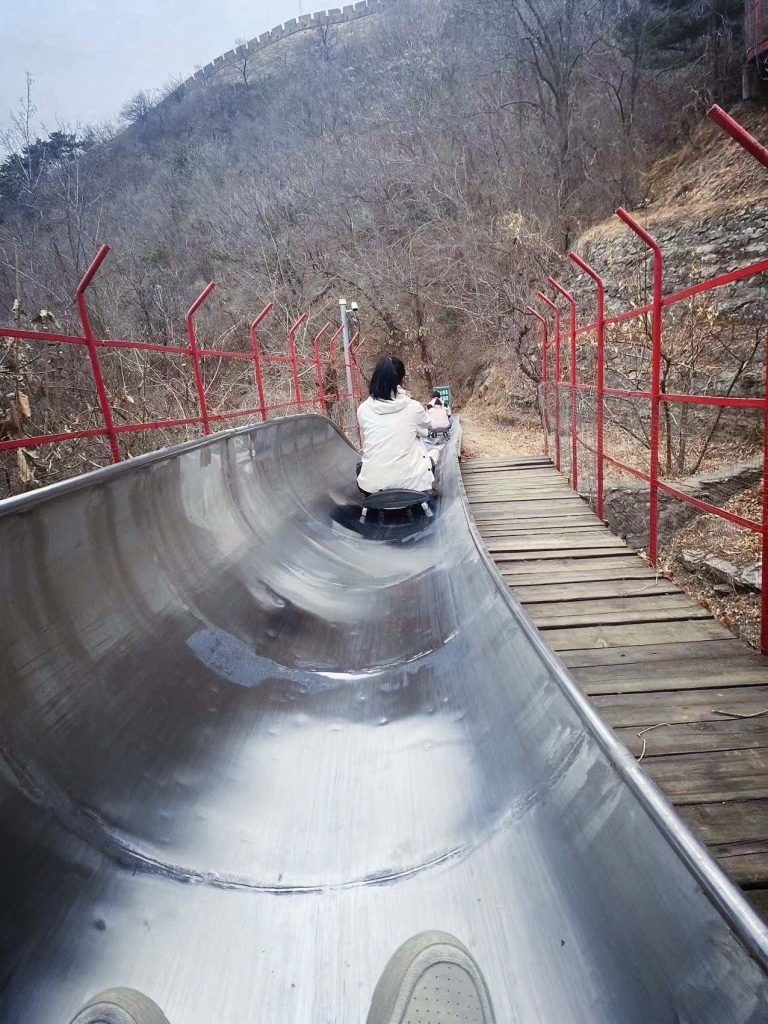
For Mutianyu, cable car, chairlift, and toboggan choices can be useful, especially for families or travelers who want to save energy. They should still be optional and clearly priced. Our Mutianyu cable car, chairlift, and toboggan guide explains how those choices affect the day.
Best sections for a no-shopping day
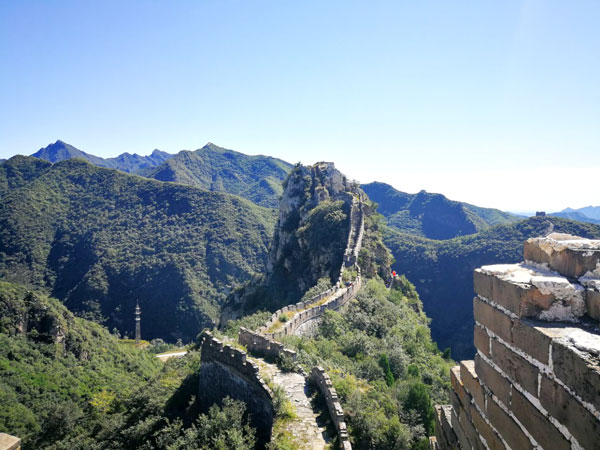
Mutianyu is usually the easiest section for a no-shopping private day because it works well with a direct hotel pickup, has strong visitor facilities, and offers flexible routes on the wall. Badaling can be efficient by train or private transfer, but the crowds and fixed transport windows need planning. Jinshanling, Gubeikou, and Jiankou are better for hikers who value scenery and are willing to pay for a more customized route.
If your priority is comfort, choose a direct private route. If your priority is budget, compare public transport with a no-shopping shared tour. If your priority is photography or hiking, avoid bargain itineraries and choose a guide or driver who understands the route.
How to phrase your request
When contacting an operator, be direct. A useful message is: “We want a no-shopping Great Wall tour from Beijing with direct hotel pickup and return. Please confirm there will be no factory, jade, tea, souvenir, or commission stops. Please list the exact route, wall time, ticket inclusions, cable car options, lunch plan, and total price.”
If the reply avoids the question, changes the subject, or says “you can just look around for a few minutes,” treat that as a warning sign. A serious no-shopping provider should be comfortable confirming the route in writing.
Final recommendation
If you have only one day in Beijing, do not let a cheap headline price take away your Great Wall time. Decide first whether you want budget travel, private transfer, full guide service, or a custom hiking route. Then ask for a written no-shopping confirmation and compare the real itinerary.
For most first-time visitors who want a smooth day, a private Great Wall tour from Beijing or direct hotel-based plan is the cleanest option. Also review Great Wall tour from a Beijing hotel, Great Wall tickets and booking, Great Wall toilets and facilities, and Great Wall mistakes to avoid before finalizing your route.