
Visiting the Great Wall with seniors is possible, but the right section matters more than the famous name. The Great Wall is a mountain attraction, not a flat city landmark. Even restored sections can have uneven stone, steep steps, exposed wind, long transfers, and busy visitor areas. The best plan is to choose a manageable section, reduce walking pressure, use cable cars where useful, and leave enough time for slow movement and rest.
Quick Answer: Which Great Wall Section Is Best for Seniors?
For most senior visitors, Mutianyu is usually the best first choice because it has strong scenery, cable-car options, a calmer feel than Badaling, and a more flexible pace. Badaling can work if train access and developed facilities matter more than crowd level. Juyongguan is closer to Beijing, but its stairs can feel steep quickly, so it is better for a short look than a long wall walk.
| Section | Best for seniors when… | Main caution |
|---|---|---|
| Mutianyu | You want scenery, cable-car help, and a less intense crowd feel. | There are still stairs on the wall; do not plan too much walking. |
| Badaling | You want the famous section, rail access, and more developed infrastructure. | Crowds, queues, and large visitor flows can be tiring. |
| Juyongguan | You want a shorter trip and do not need a long walk on the wall. | The pass is close, but the stairs can be steep and compact. |
| Jinshanling, Jiankou, wild sections | Usually not recommended for typical senior sightseeing. | Longer distance, more uneven walking, fewer easy exits. |
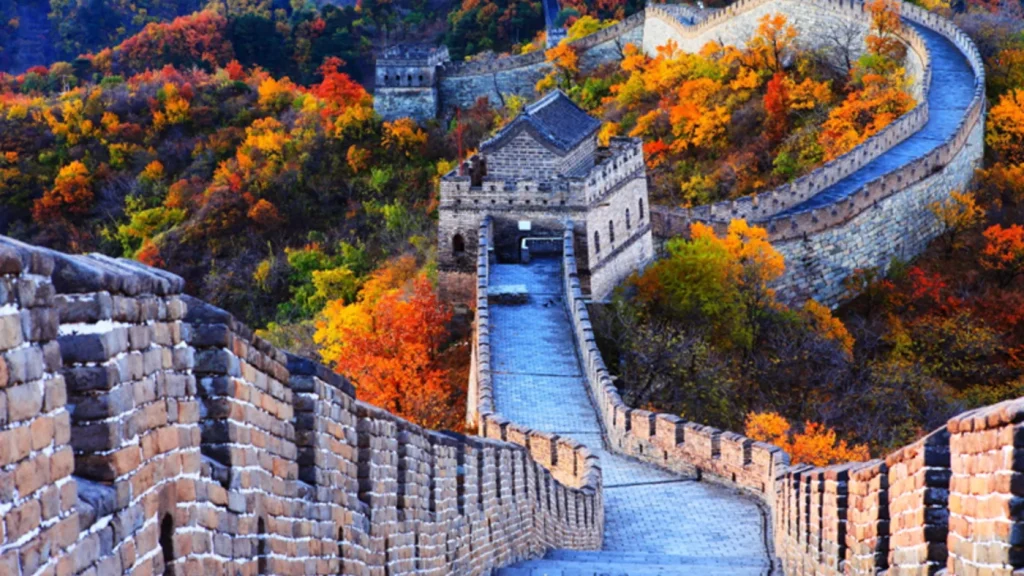
Why Mutianyu Is Usually the Safest Default
Mutianyu works well for many senior travelers because the visit can be adjusted. You can use uphill transport, spend a short time on the restored wall, take photos from scenic viewpoints, and avoid pushing for a long hike. It is also easier to create a calmer day than at Badaling, especially if you use a private car or reliable shuttle and arrive in the morning.
The important point is not that Mutianyu is flat. It is not. The advantage is that you can keep the plan simple: confirm Mutianyu opening hours, choose transport in advance, use the cable car or chairlift where suitable, and limit walking distance once on the wall.
When Badaling Makes More Sense
Badaling is busier, but it can still be practical for seniors who value developed facilities, a famous landmark, and train-based access. If your group is staying near a convenient rail route, or if one senior traveler strongly wants the classic Badaling name, it can be the right choice. The key is to avoid peak crowd times and keep expectations realistic.
Use the Badaling vs Mutianyu comparison before deciding. If the senior traveler dislikes crowds, long queues, and busy public areas, Mutianyu may still feel better.
Should Seniors Use a Cable Car?
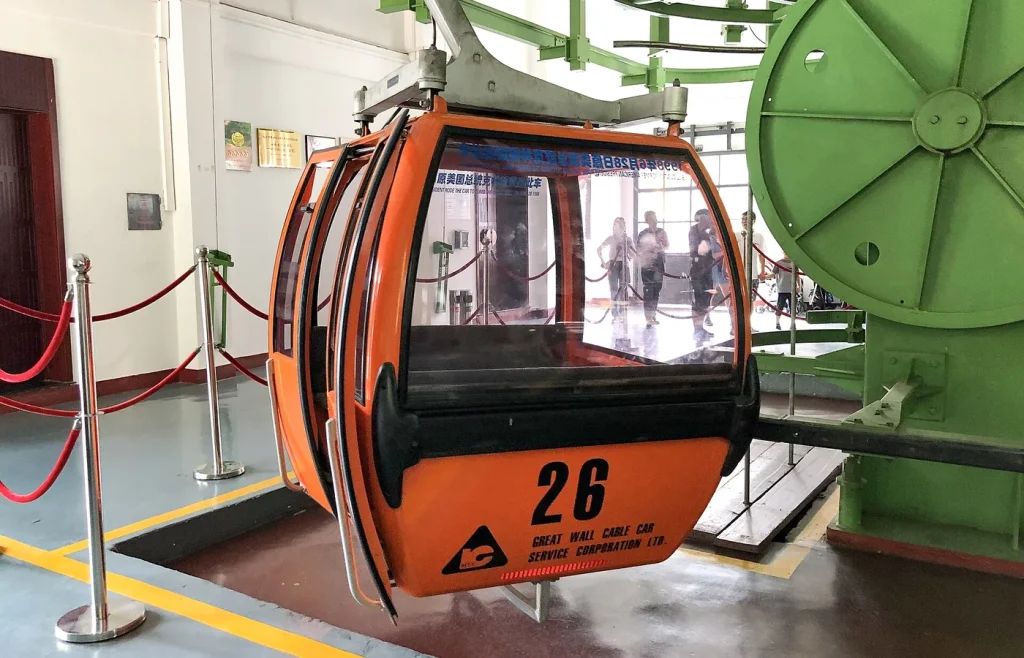
In many cases, yes. A cable car or chairlift can reduce the uphill approach and save energy for the actual wall. But it does not remove all difficulty. After reaching the wall, visitors may still face uneven paving, stairs, slopes, narrow viewpoints, and wind. Seniors with knee, balance, heart, or breathing concerns should treat the cable car as help, not a guarantee of an easy walk.
| Planning factor | Senior-friendly approach | What to avoid |
|---|---|---|
| Arrival time | Morning arrival with a relaxed schedule. | Late afternoon rush with closing-time pressure. |
| Transport | Private car, reliable shuttle, or simple train plan. | Multiple transfers with uncertain return timing. |
| Walking goal | Short scenic walk, photos, and rest stops. | Trying to cover many towers or steep sections. |
| Weather | Mild spring or autumn day with low wind. | Ice, snow, summer heat, heavy rain, or strong wind. |
| Gear | Good shoes, layers, water, snacks, and phone power. | Heavy bags, slippery shoes, or no weather backup. |
Best Season for Senior Visitors
Spring and autumn are usually better than midsummer or deep winter. April, May, September, October, and early November can work well if you avoid major holiday peaks and check weather. Winter scenery can be beautiful, but icy steps and cold wind are not ideal for many older visitors. Summer heat can also be draining on exposed ridges.
For a broader timing decision, use the month-by-month Great Wall guide. For what to bring, read the Great Wall packing checklist.
A Practical Senior-Friendly Day Plan
- Choose Mutianyu unless there is a specific reason to choose Badaling or Juyongguan.
- Use a private car, reliable shuttle, or simple transport plan that avoids too many transfers.
- Arrive in the morning and leave a generous time buffer.
- Use cable-car help if the senior visitor wants to save energy.
- Walk only as far as feels comfortable, then return before fatigue becomes a problem.
- Keep lunch, toilets, return transport, and weather backup in the plan.
FAQ
Is the Great Wall wheelchair accessible?
Do not assume normal wheelchair access on the wall itself. Scenic areas may have visitor facilities, parking, or shuttle areas, but the wall is a historic mountain structure with steps and uneven surfaces. Contact the specific scenic area or tour provider before planning a wheelchair visit.
Is Mutianyu good for elderly visitors?
Mutianyu is often the best practical choice for elderly visitors because it balances scenery, facilities, uphill transport options, and a calmer atmosphere than Badaling. It is still not flat, so the walking plan should be modest.
Is Badaling easier than Mutianyu?
Badaling can be easier for public transport and developed infrastructure, but it can also be busier and more tiring because of crowds. Mutianyu is often easier emotionally and visually for a slower, calmer day.
Should seniors visit wild Great Wall sections?
Usually no. Wild and hiking sections can involve rough footing, long distances, fewer exits, and more uncertainty. They are better for fit hikers with local guidance and suitable weather.
What should seniors bring?
Comfortable shoes, layers, water, a small snack, sun protection, medication, phone power, and a light day bag. Keep the bag small enough that it does not make stairs harder.