
A Beijing airport layover can look long enough for the Great Wall on a flight itinerary and still be a poor day to leave the terminal. The decision is not about finding the shortest route on a map. It is about whether you can legally enter China, how predictable immigration and baggage are that day, which airport you use, and how much protected time remains before your next flight.
For most first-time visitors, this is a risk-management decision. If the conditions are strong, a well-planned visit can be memorable. If even one key piece is uncertain, the better choice is to stay near the airport or use an official layover option. Do not treat a Great Wall stop as a guaranteed add-on to every connection.
Quick answer: when is a layover trip realistic?
- Usually realistic only with a long, daytime layover: you must be eligible to enter China, clear formalities smoothly, know where your bags are, and return well before your airline’s required time.
- Capital Airport (PEK) is the stronger starting point: it is the airport with an officially listed Great Wall layover experience, and it is generally the more practical place to evaluate a short private outing.
- Daxing Airport (PKX) requires a more conservative plan: its south-Beijing location makes a northern Great Wall visit a bigger commitment. A long connection is not the same as usable sightseeing time.
- Do not add a city tour as well: on a layover, choose one destination and protect the return. Trying to combine central Beijing and the Wall creates a plan with too many failure points.
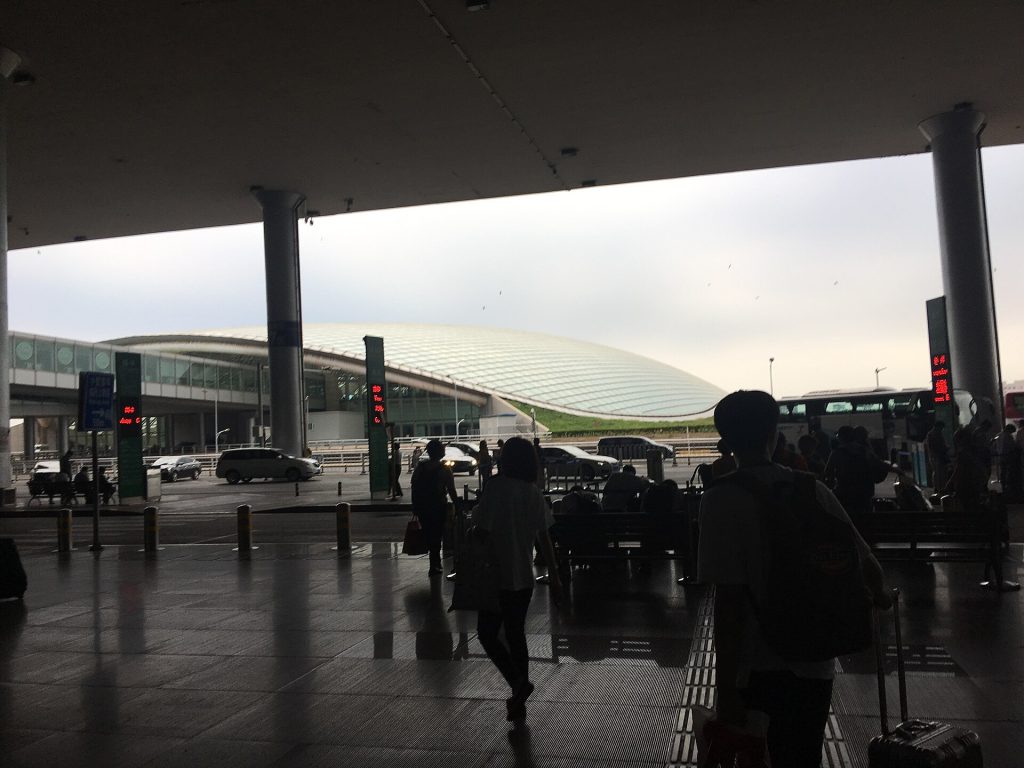
Start with permission to leave the airport
Before comparing PEK and PKX, confirm that you are allowed to enter China during the connection. A valid China visa may solve this for some travelers, while others may qualify for a transit-without-visa policy only when their nationality, route, documents, onward ticket, and immigration decision all meet the rules. Beijing’s official 240-hour transit guidance lists both Beijing airports, but it is not a promise that every transit passenger can enter.
Ask the airline before departure, then confirm the procedure at the airport. An airside connection, an onward itinerary that does not meet the transit rule, or an immigration delay can end the plan before the car even leaves the terminal. Do not prepay a non-refundable excursion based only on the number shown between flights.
PEK versus PKX: the airport changes the answer
Capital Airport (PEK): this is the more credible airport for a Wall layover. Beijing’s official Beijing Express layover programme lists a Badaling Great Wall route for international transit passengers, which is useful evidence that a managed airport-to-Wall visit can work under the right conditions. Verify availability, eligibility, meeting point, current schedule, and return arrangement at Terminal 3 rather than assuming it operates for your flight.
Daxing Airport (PKX): Daxing has useful airport-city transport, but getting into the city first does not make a Great Wall trip quick. The airport is south of Beijing while the popular Beijing Wall sections are north or northeast. For a Daxing layover, only consider the Wall with a very generous connection, confirmed entry conditions, and a door-to-door vehicle plan that can adapt if arrival formalities run late.
If the goal is simply to see a famous Wall section without managing a driver, Badaling is the logical layover comparison from PEK because of the official programme. If the goal is a quieter, more scenic first experience, Mutianyu can be a better destination, but it is normally a private-transfer decision rather than a casual airport detour.
Build the plan backward from your next flight
Do not begin with the arrival time. Begin with the moment you need to be back at the correct terminal. Use your airline’s own check-in and boarding requirements, then leave room for road conditions, terminal access, baggage, security, and an unexpected queue. That airport return point is fixed; the amount of time on the Wall is what must flex.
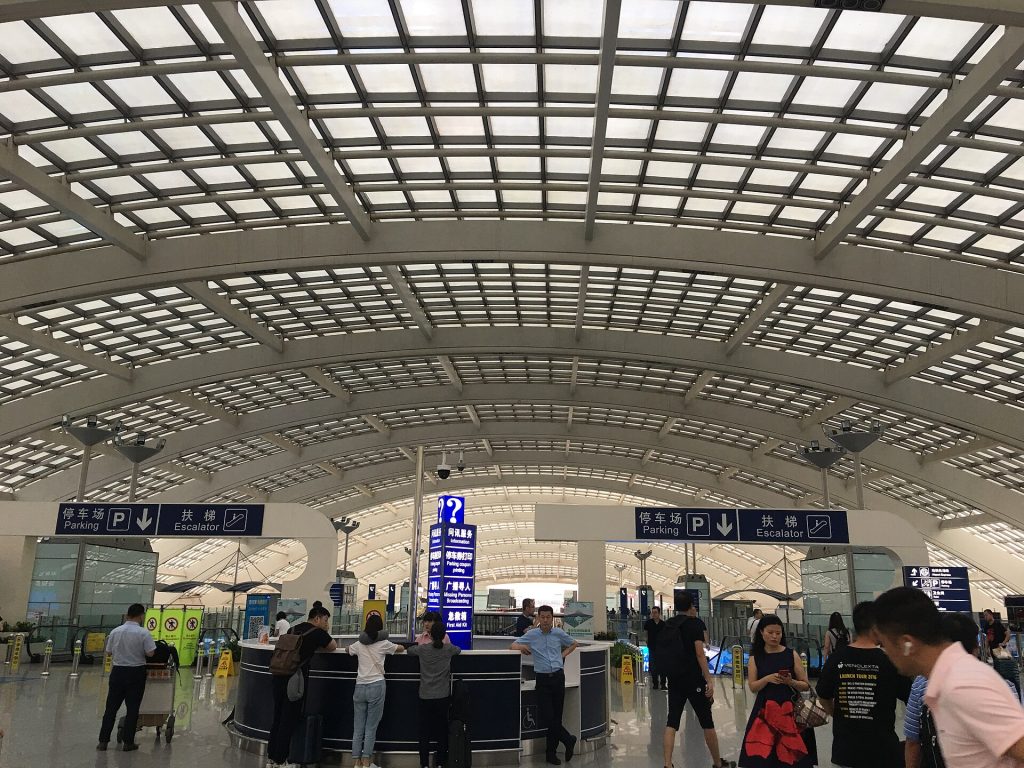
A practical layover plan has a clear abort rule. If immigration, baggage, or the first road segment takes longer than expected, tell the driver to turn the outing into an airport return or a simpler nearby stop. A good transfer is not one that keeps chasing the original itinerary; it is one that protects the onward flight without debate.
What happens to checked luggage?
Never assume your bag will be automatically available, automatically checked through, or easy to store. The answer depends on the airline, ticketing arrangement, route, immigration requirements, and the specific day’s handling. Beijing has introduced measures intended to make some transfers smoother, including through-check and baggage-transfer arrangements in eligible cases, but these are airline and itinerary questions, not a general sightseeing service.
If you must collect a suitcase, that changes both your exit time and your return plan. Keep passports, onward confirmation, medication, phone power, payment method, and a small weather layer with you. For a broader checklist, see our guide to a Great Wall day trip with luggage.
Choose one Wall section, not the whole Beijing checklist
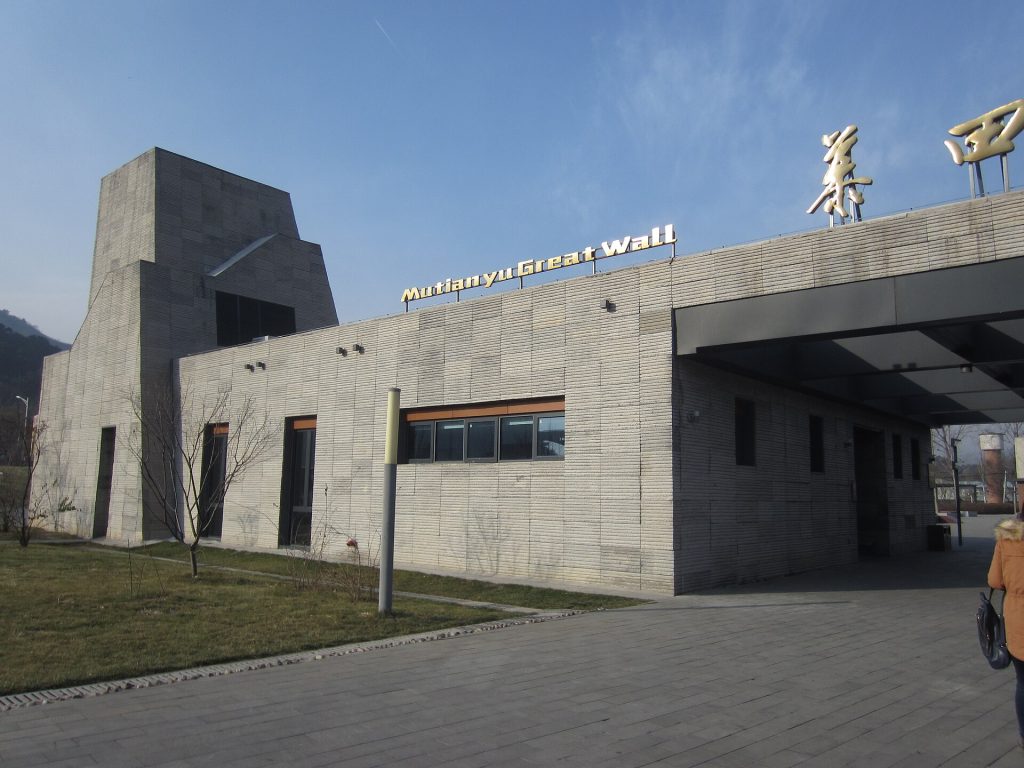
Layover travelers should optimize for a clear experience, not a maximal itinerary. Badaling makes sense when an official group option is running and the schedule fits. Mutianyu makes sense when you have the time and want a more scenic restored section with cable-car infrastructure. The Beijing government’s Mutianyu visitor information identifies its cable cars and alpine-slide facilities, but check current operations and weather notices before you leave the airport.
Do not plan an independent public-transport route from the airport on a flight day. Public transport can be excellent for a normal Beijing stay, as our Great Wall train guide explains, but it adds transfers and timetable dependencies that work against a layover’s only priority: a dependable return.
When a private driver is worth arranging
A pre-arranged driver is most useful when you have a long PEK connection, want Mutianyu rather than an official Badaling layover group, have more than one traveler, or need the itinerary to respond to arrival delays. The value is not luxury. It is a single contact who can follow your actual arrival, keep luggage considerations visible, and abandon the Wall plan without leaving you stranded at a station or attraction gate.
It is still not automatically the right choice. Compare the cost against the risk of the connection, and do not book a driver merely because the layover looks generous on paper. Our comparison of private transfer, group tour, and DIY travel is a useful starting point for that decision.
A safer layover decision checklist
- Confirm with the airline that you can enter China and that the connection is not required to remain airside.
- Confirm whether checked luggage is through-checked, collected, stored, or part of the return process.
- Set your airport return deadline before selecting a Wall section or booking a vehicle.
- Choose one route only: an official PEK layover option when available, or a private point-to-point plan.
- Check the Wall’s current visitor notice, weather, and transport/cable-car status on the day.
- Give the driver an explicit abort time and keep the onward flight details accessible offline.
When you should skip the Great Wall
Skip it if you cannot enter China, the layover is overnight or tight, you have an onward flight you cannot miss, your bags are unresolved, the weather is disruptive, or you would be leaving from Daxing with only a marginal window. Staying at the airport is not a failed Beijing visit. It is the rational choice when the timetable does not leave enough slack for a destination outside the city.
For a normal Beijing stay, a Wall trip is far easier to enjoy. Read our ticket and entry planning guide before choosing a section, then give the day enough room to be a Great Wall visit rather than a race back to a departure gate.