
Great Wall facilities are easy to misunderstand. The popular Beijing sections are developed scenic areas, but the wall itself is still a mountain landmark. Toilets, food, water, ticket counters, shuttle buses, cable cars, and visitor services are usually concentrated near entrances, parking areas, lower stations, and visitor centers. Once you are walking on the wall, you should not expect frequent bathrooms or easy supplies.
Quick Answer: Are There Toilets and Food at the Great Wall?
Yes, popular sections such as Mutianyu, Badaling, and Juyongguan usually have toilets and visitor facilities near the scenic-area entrance or main visitor zone. Food, water, shops, and transport services are also more likely near the bottom area than on the wall itself. For a comfortable visit, use the bathroom before going up, carry water, and keep snacks simple.
| Facility question | Practical answer | Best planning habit |
|---|---|---|
| Are there toilets? | Usually near entrances and visitor areas at developed sections. | Use them before taking the shuttle, cable car, or stairs up. |
| Can I buy food and water? | Often near developed visitor zones, less reliable on the wall. | Bring water and a small snack. |
| Are there cable cars? | Available at some major sections, not everywhere. | Check the section-specific guide before planning around them. |
| Are facilities the same at every section? | No. Badaling and Mutianyu are more developed than wild or hiking sections. | Choose your section based on comfort needs, not only scenery. |
Where Facilities Are Usually Located
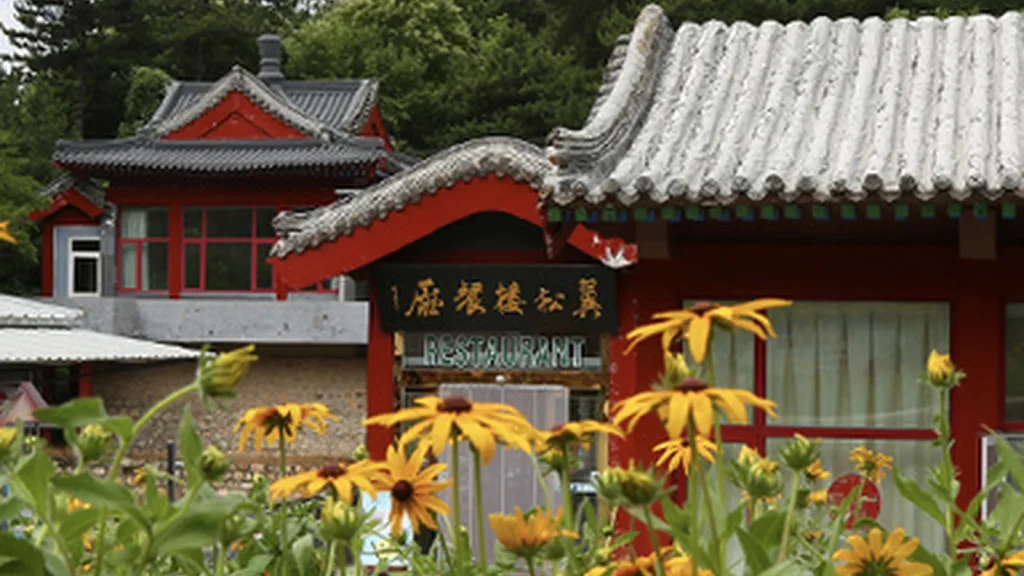
The most useful rule is simple: facilities are strongest before you start the wall walk. At developed sections, the visitor area may include ticket windows, toilets, shops, signs, shuttle-bus areas, and uphill transport stations. After you are on the wall, the experience changes. You may have watchtowers, stairs, viewpoints, and patrol paths, but not regular bathrooms or food stops.
This matters most for families, seniors, slower walkers, and travelers visiting in very hot, cold, rainy, or windy weather. If comfort is a priority, build your plan around the visitor area first, then treat the wall walk as the exposed part of the day.
Best Sections for Facilities
| Section | Facility level | Best for |
|---|---|---|
| Mutianyu | Well developed for foreign first-time visitors. | Families, seniors, cable-car planning, scenic photos. |
| Badaling | Highly developed and famous. | Travelers who want infrastructure, rail access, and the classic landmark. |
| Juyongguan | Developed but more compact. | Shorter visit, pass scenery, less time on the road. |
| Jinshanling, Gubeikou, Jiankou, wild routes | More limited or hiking-oriented. | Fit hikers who can carry supplies and accept fewer services. |
Toilets: What to Expect
At major scenic areas, toilets are usually part of the entrance or visitor-service zone. Do not wait until you are far along the wall to look for one. The wall is built along ridges, towers, and slopes, so bathrooms are not placed like they would be in a city museum or shopping mall.
If you are visiting with children, seniors, or anyone who needs predictable restroom access, choose a developed section and keep the wall walk shorter. Mutianyu and Badaling are usually more practical than remote hiking routes for this reason.
Food and Water
Small food and drinks may be available near developed entrances, but you should still carry water and a compact snack. This is especially important in summer heat, winter cold, or when transport takes longer than expected. Avoid heavy meals before climbing steep stairs, and do not bring messy food onto the wall.
For detailed food advice, read Can You Bring Food or Snacks to the Great Wall?. For a full day bag, use the Great Wall packing checklist.
Cable Cars, Shuttle Buses, and Return Timing
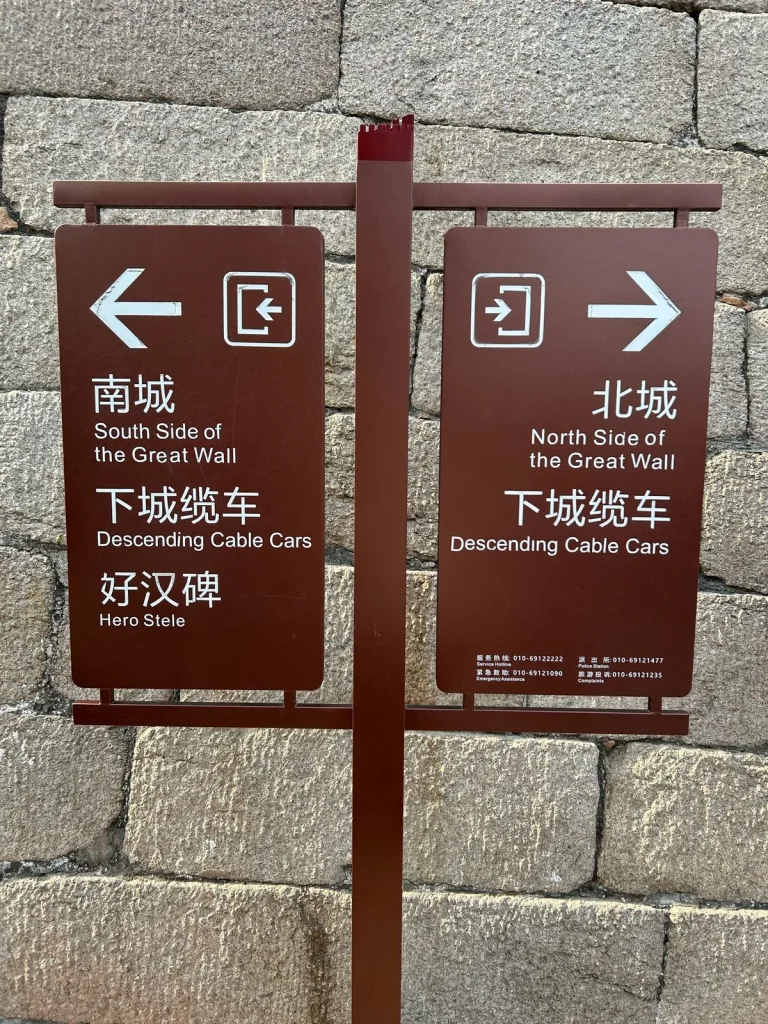
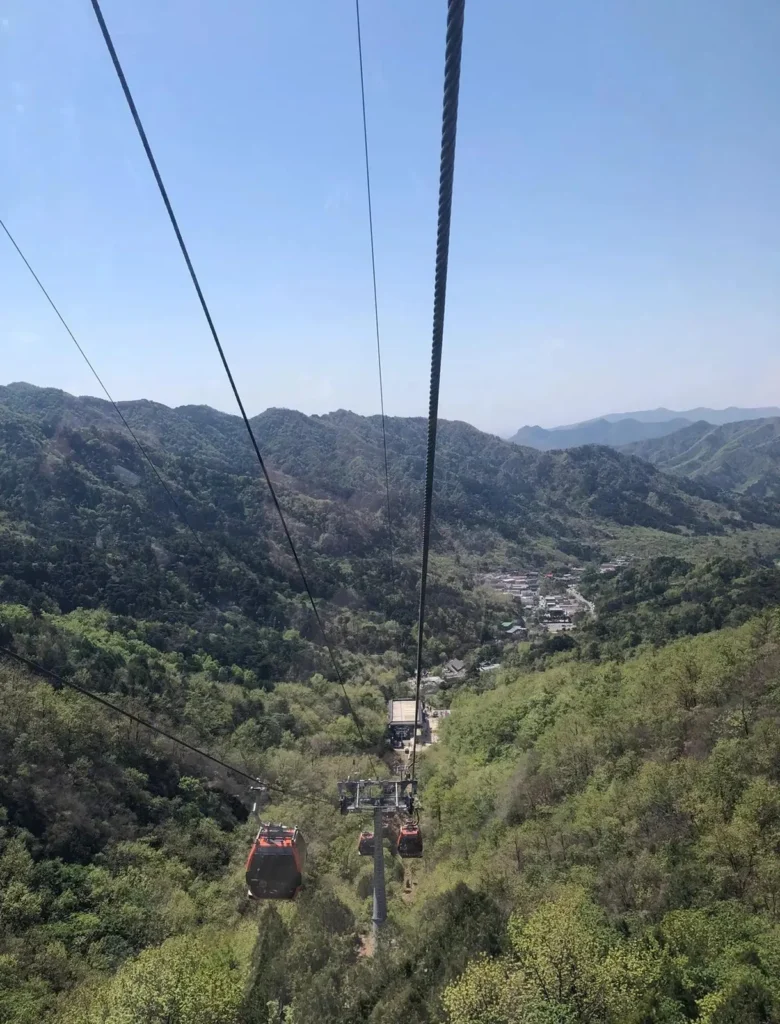
Cable cars, chairlifts, toboggan routes, and shuttle buses can make a Great Wall day easier, but they also add timing rules. They may stop earlier than you expect, change with weather, or become busy during holidays. If your plan depends on uphill transport, check the current section guide and arrive early enough to avoid pressure at the end of the day.
What to Do Before Going Up
- Use the restroom in the visitor area.
- Buy or refill water before starting the wall walk.
- Confirm where your return shuttle, cable car, or driver will be.
- Take a photo of signs or meeting points if you are traveling with others.
- Keep your bag light enough for stairs.
- Check the weather and leave before fatigue becomes a problem.
Who Should Pay Extra Attention to Facilities?
Facilities matter for everyone, but they matter most for families, seniors, visitors with knee or mobility concerns, people traveling in extreme weather, and independent travelers using public transport. If comfort and predictability are more important than adventure, choose Mutianyu or Badaling before considering wilder sections.
For older travelers, continue with Great Wall with Seniors. For route planning from Beijing, start with How to Get from Beijing to the Great Wall.
FAQ
Are there toilets on the Great Wall itself?
Do not count on toilets along the wall walk. Use bathrooms near the visitor area before going up, especially at mountain sections where facilities are concentrated below.
Can I buy water on the Great Wall?
You may find shops near developed entrances, but it is safer to bring your own water. On the wall itself, supplies are much less predictable.
Which Great Wall section has the best facilities?
Badaling is highly developed, while Mutianyu is usually the better balance of facilities, scenery, and a calmer visit for foreign first-time travelers.
Are wild Great Wall sections good for families?
Usually not for a first visit. Wild sections have fewer facilities, rougher footing, and less predictable exits. Families usually do better at Mutianyu, Badaling, or another developed section.
Should I bring snacks?
Yes, small clean snacks are useful. Bring something compact and pack out all trash. Avoid messy meals, glass bottles, and heavy bags.