
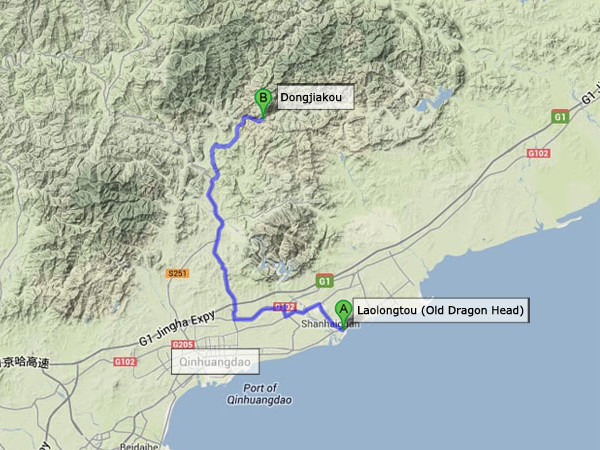
Dongjiakou Great Wall is a wild and relatively little-known route in Qinhuangdao’s Funing area. It is not a mainstream foreign-tourist section and should be treated as a specialist hiking plan. The appeal is quiet scenery and unrestored wall texture; the trade-off is weaker infrastructure, more route uncertainty, and a need for local planning.
Information check: this guide was reviewed on May 14, 2026. Wild-wall access, conservation rules, village routes, and transport can change. Check current local conditions before hiking.
Quick Planning Snapshot
- Best for: experienced hikers already in Qinhuangdao or Hebei’s eastern Great Wall area.
- Not for: first-time visitors, casual walkers, or tight Beijing day trips.
- Main appeal: quiet wild-wall atmosphere and village-side hiking.
- Main risk: unrestored wall, unclear paths, and limited visitor support.
- Better mainstream option: Laolongtou-Shanhaiguan or Jiaoshan.
Route Character
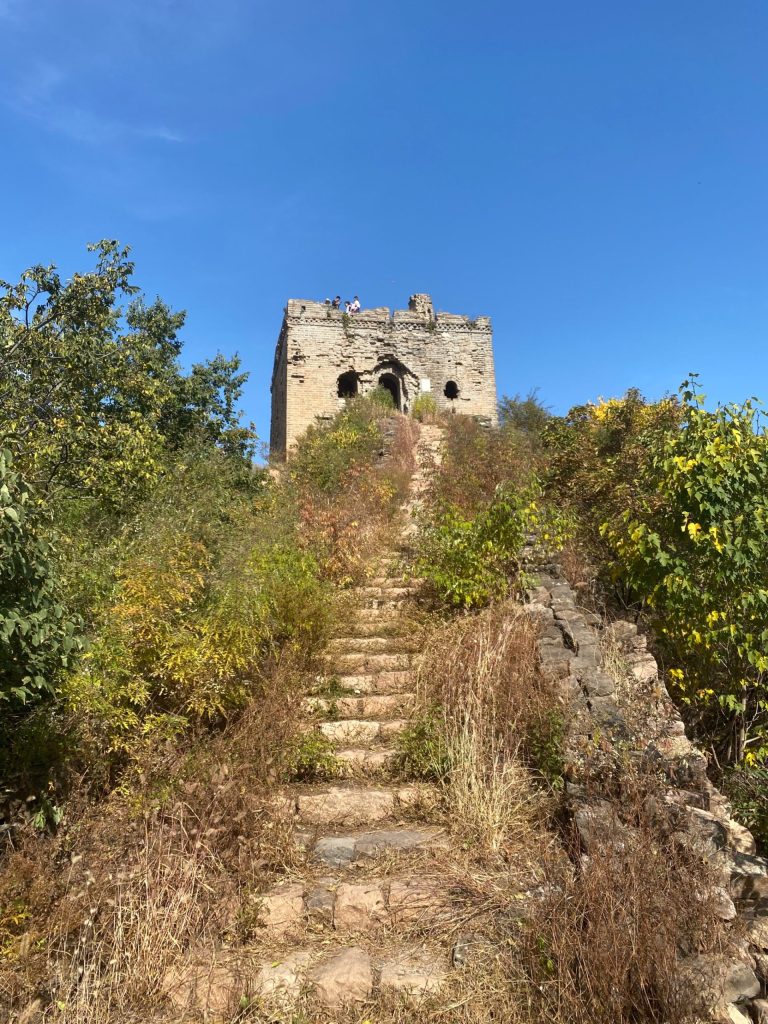
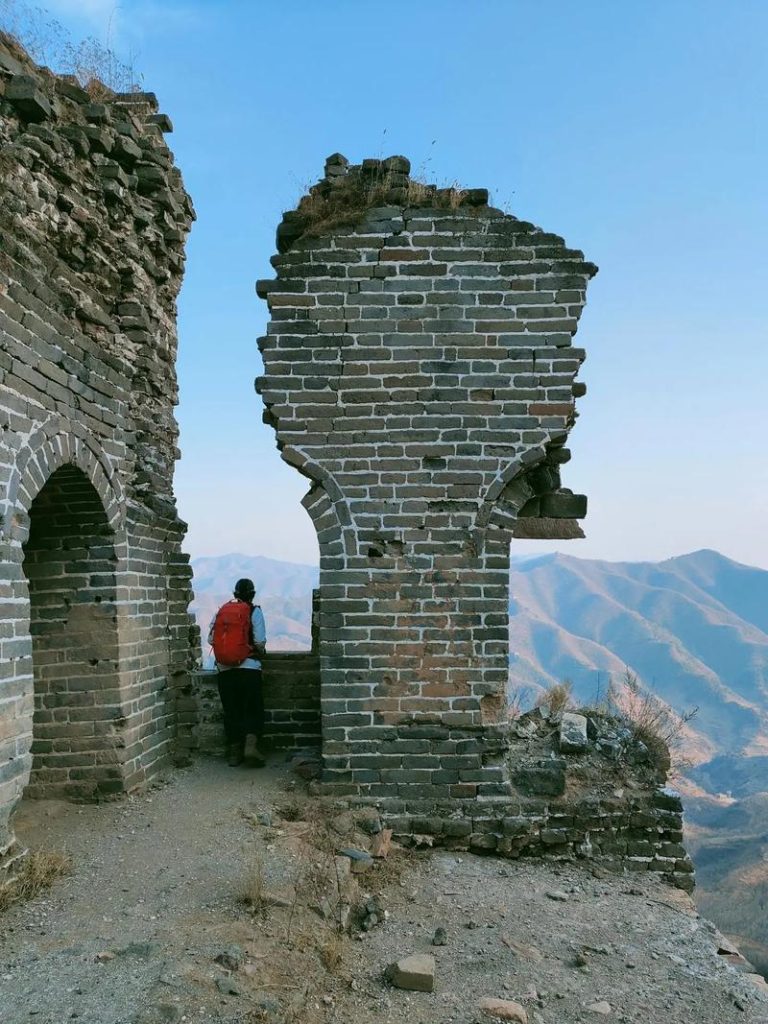
Dongjiakou is valuable because it has not been polished into a standard tourist product. That makes the scenery feel more private, but it also means fewer signs, fewer facilities, and a greater need for responsible route choice. Avoid climbing unstable walls or entering areas where access is unclear.
Safety and Local Planning
Use a local guide or current local advice if you are not familiar with the area. Do not rely on a single old GPS track. Weather can change the risk level quickly, and mobile signal may not be reliable in all places. Share your plan, carry enough water, and keep a conservative turnaround time.
Before-You-Go Checklist
- TravelChinaGuide Great Wall resources for broader Great Wall planning context.
- Hebei official English portal for regional context.
How to treat Dongjiakou as a route
Dongjiakou is not a default first Great Wall visit from Beijing. It is a more specialized route for travelers interested in Qinhuangdao-area wall remains, quieter scenery, and a less standardized experience. That means the article should avoid overselling it as an easy tourist attraction. The main value is explaining who it suits and what to check before making the trip.
Who should consider Dongjiakou?
Consider Dongjiakou if you are already planning a Qinhuangdao or Shanhaiguan-side itinerary and want an additional wall stop beyond the most famous sections. It can suit repeat visitors, history-focused travelers, or people who prefer quieter routes. It is not ideal for a rushed Beijing day trip, families wanting strong facilities, or travelers who need guaranteed simple transport.
Before-you-go checklist
- Confirm current local access and road conditions.
- Save the Chinese place name and nearby return point.
- Carry water, offline maps, and power backup.
- Avoid wet, icy, or windy conditions on rougher terrain.
- Do not enter restricted or unsafe wall remains.
For broader planning, compare this with recommended Great Wall sections and Gubeikou-Jinshanling hiking.
For current access, closures, weather impact, and local route rules, check official scenic-area notices, local government information, or transport operators before leaving. Commercial tour-company pages are not used as public sources.
How to fit Dongjiakou into an itinerary
Dongjiakou works best as part of a Qinhuangdao or Shanhaiguan-area trip rather than a standalone Beijing day trip. If your itinerary already includes Laolongtou, Shanhaiguan Pass, or coastal Hebei, Dongjiakou can add a quieter wall angle. If you are staying only in Beijing, the route becomes less efficient than Mutianyu, Badaling, or Jinshanling.
What to avoid
Avoid treating Dongjiakou as a guaranteed scenic-area experience with the same facilities as famous sections. Local access, road conditions, signage, and route clarity can vary. Avoid going late in the day, after rain, or without a clear return plan. If you are not comfortable with uncertain logistics, choose a more developed section.
Bottom line
Dongjiakou is best for travelers who already have a Qinhuangdao-side plan and want a quieter historical route. It should not be sold as a simple substitute for Mutianyu or Badaling. Plan it with local access checks, daylight buffer, offline navigation, and a conservative return arrangement. That keeps the route useful without overstating its convenience.
For most readers, the decision is simple: use Dongjiakou only when the broader Qinhuangdao itinerary already supports it.
Do not schedule it on the same day as a long transfer unless you have a clear driver, daylight buffer, and fallback plan.